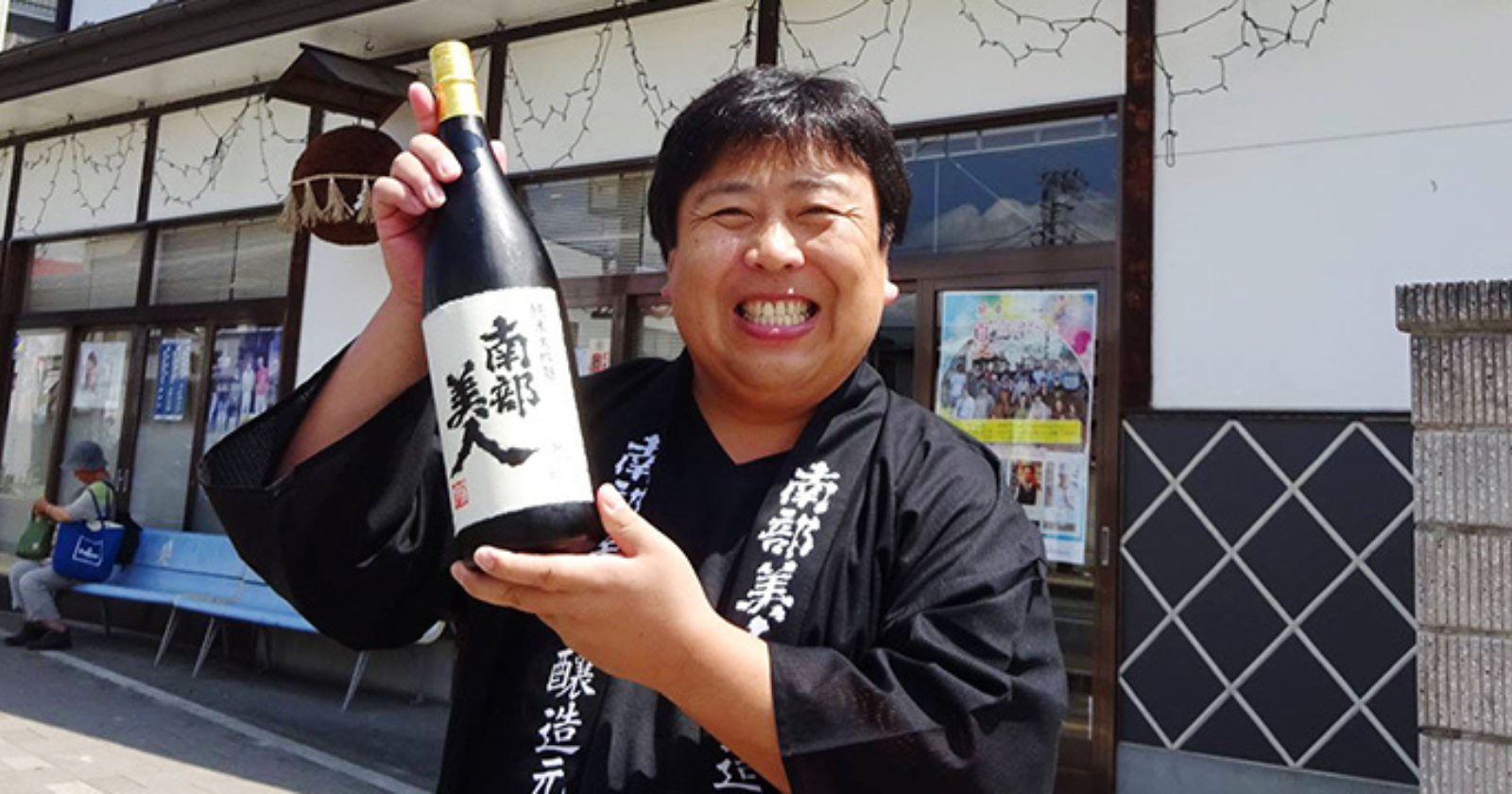
In a meeting room at Mutual Trading in New York, I was talking about the brewery. Walking the sales team through tastings of our Beauty-series Shinpaku Yamada Nishiki Junmai Daiginjo — the bottle that pairs especially well with American wagyu — and telling the story of our kura back in Iwate. The same way I always do it. The same things I always say. And yet, while I was speaking, the day I first brought our sake into this city kept rising up in the back of my head.
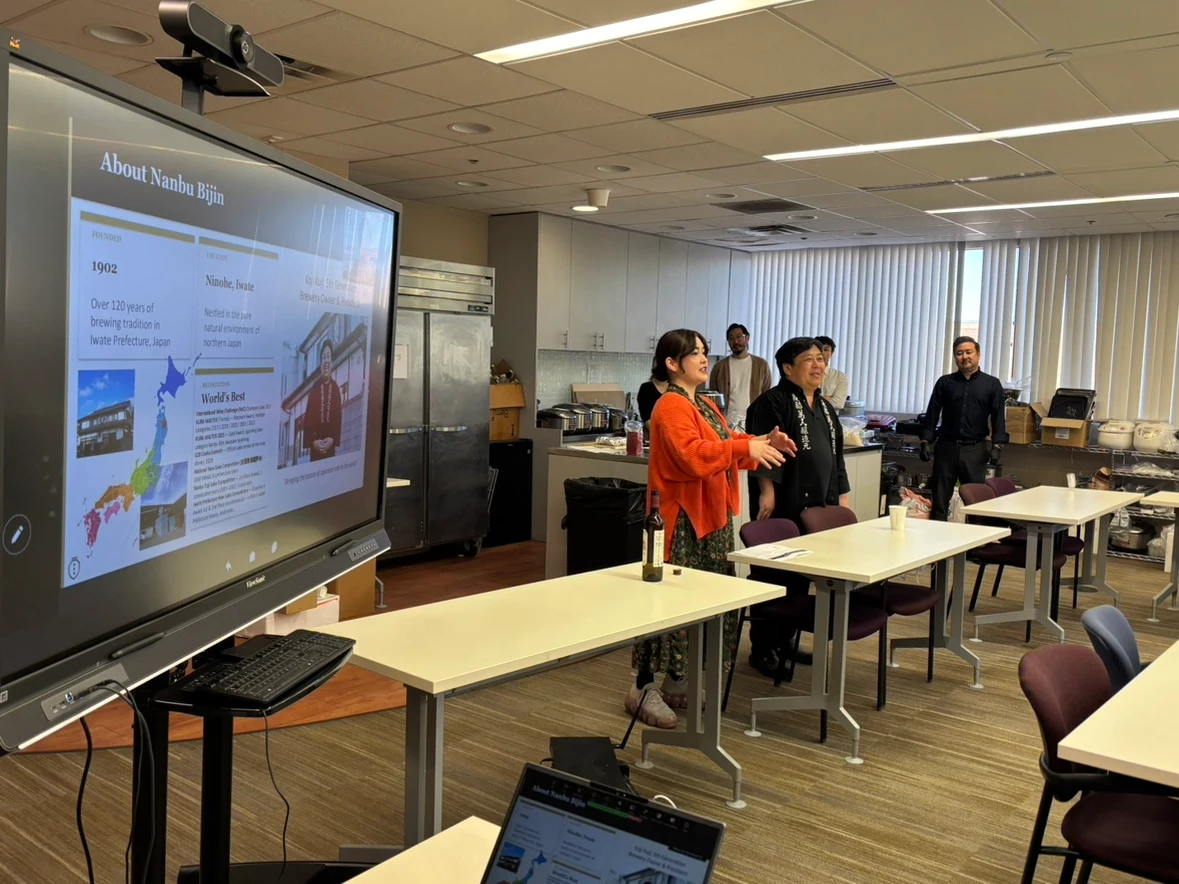
New York is the first city Nanbu Bijin ever sent its sake out to. It's also the city I have come back to more than any other. I think I'm allowed to say it: it's the city I have the deepest stake in. So whenever I land here, the earliest version of the picture comes up alongside whatever I'm looking at.
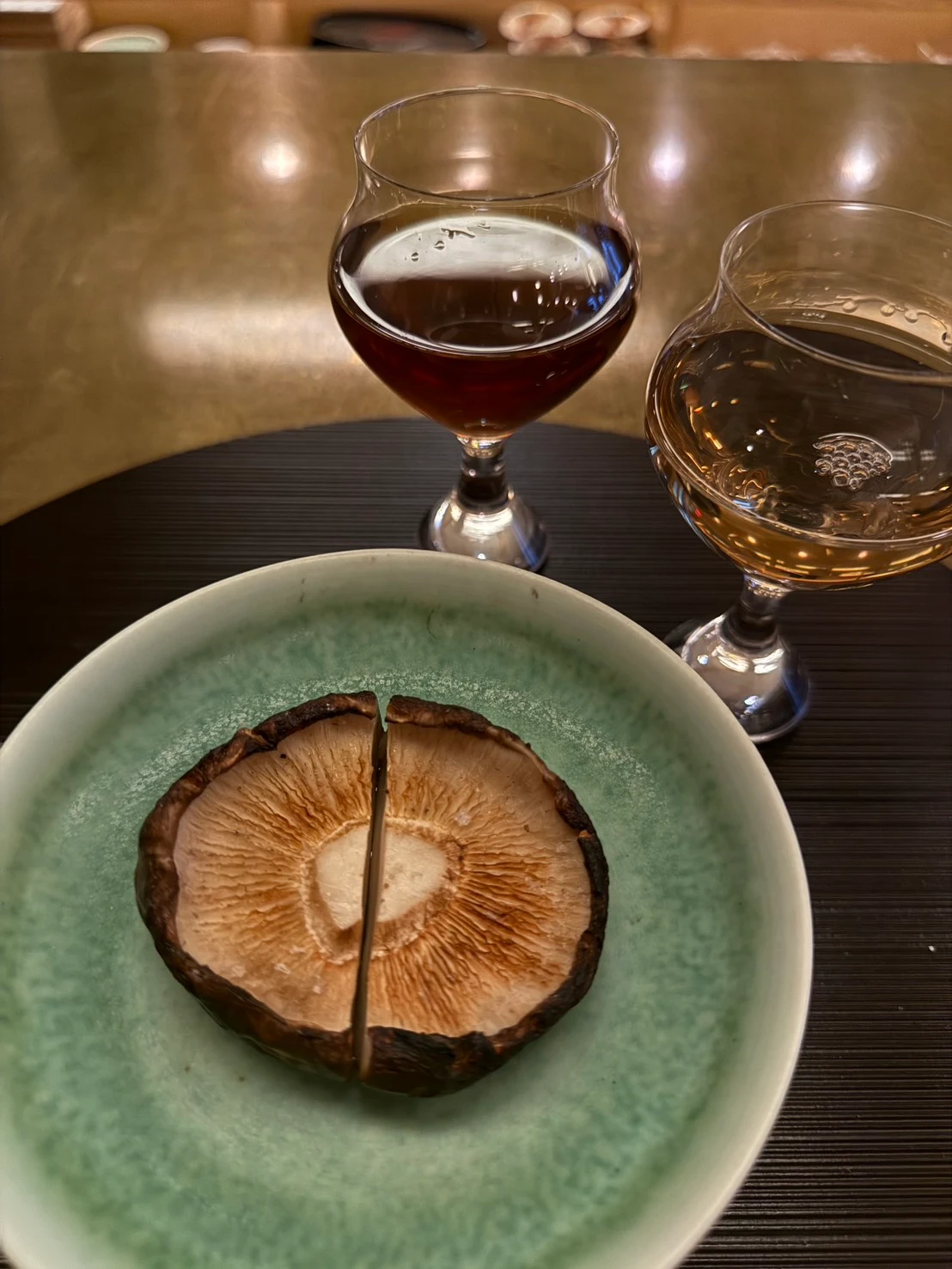
I went to TSUKIMI, a Michelin-starred Japanese restaurant. They've kept Nanbu Bijin on their list since opening night. Even labels we barely have any inventory of anymore are still there, on the menu, out of an old promise. Owner-chef Akiyama-san and his colleague Karen welcomed me in. Over an omakase kaiseki with sake pairings, we matched a steak that had been infused with shiitake dashi to one of our richer all-koji-style sakes. The pairing went well past anything I had pictured.
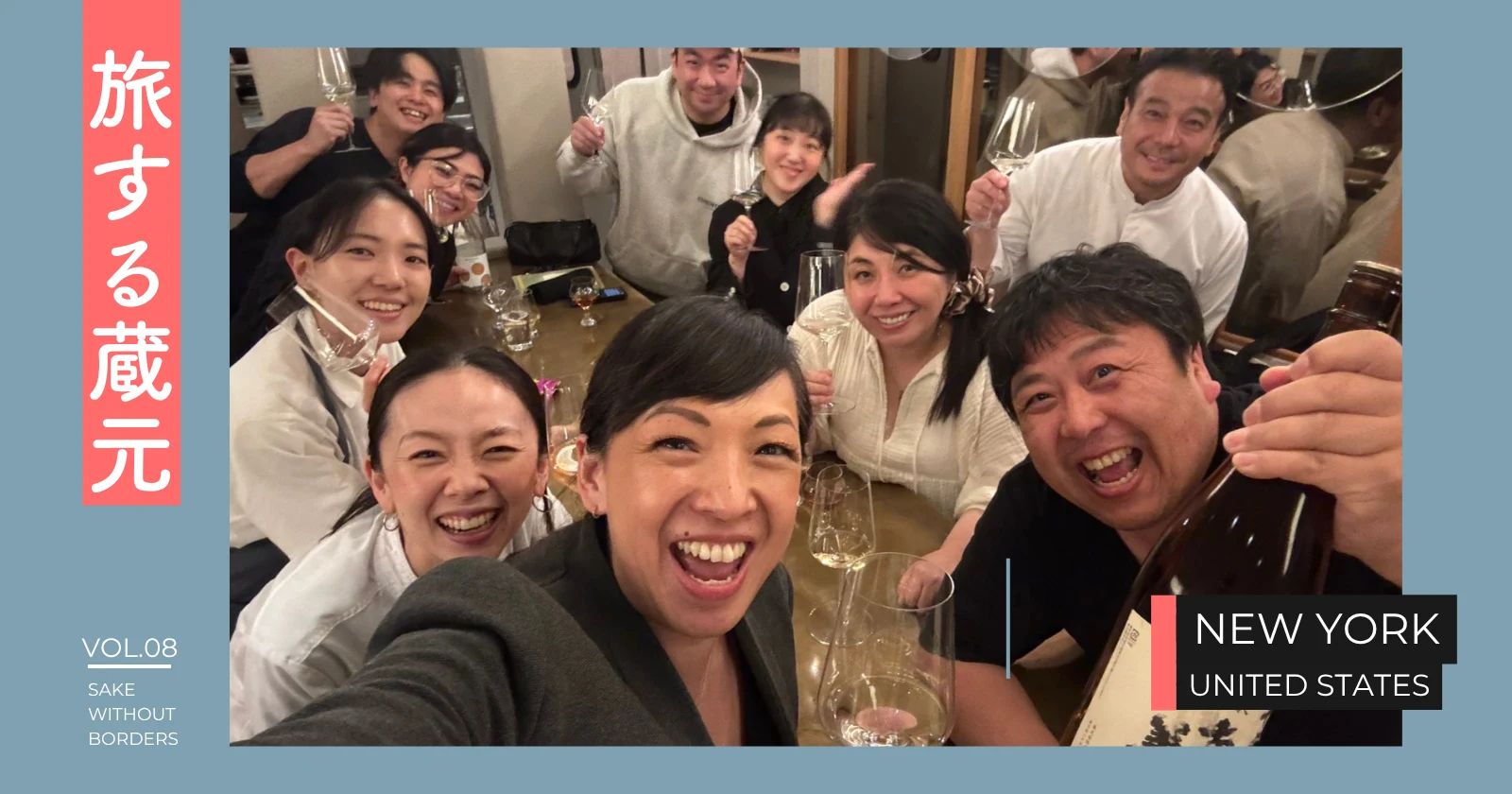
After service, I was folded into the staff's after-hours drinks — Karen had just received her green card, and they were celebrating. This, I think, is what it actually means for a restaurant to keep your sake on the list for years. It isn't only the food and the pairing. It's that you keep showing up in the days of the people who work there. You do that, year after year, and only then does the phrase "we've been pouring it since day one" begin to carry any weight.
The next day, at a Japanese restaurant with more than a hundred seats, I ran a Nanbu-Bijin–only tasting event. When the orders came back, almost eight tables out of ten had ordered our sake. Even by the standards of the events we've done over the years, that number is unusual. Going table to table to pour, I caught myself remembering an early day in New York, when a restaurant told me, "Sure, I'll try carrying a few bottles." I would like to show that day's me what tonight looked like.
On a different day, the Michelin-two-starred kaiseki restaurant ODO has a gallery they run alongside the dining room — works from artists around the world hung on the walls, and ODO's cooking and sake served while you look at them. They let me build a single-day lineup with only Nanbu Bijin: three sakes, plus one of our liqueurs. The room was fully booked, and orders came in from nearly every table. One guest bought a 720ml bottle as a souvenir and walked it home. I went table to table, pouring with my own hand, telling the story of Iwate.
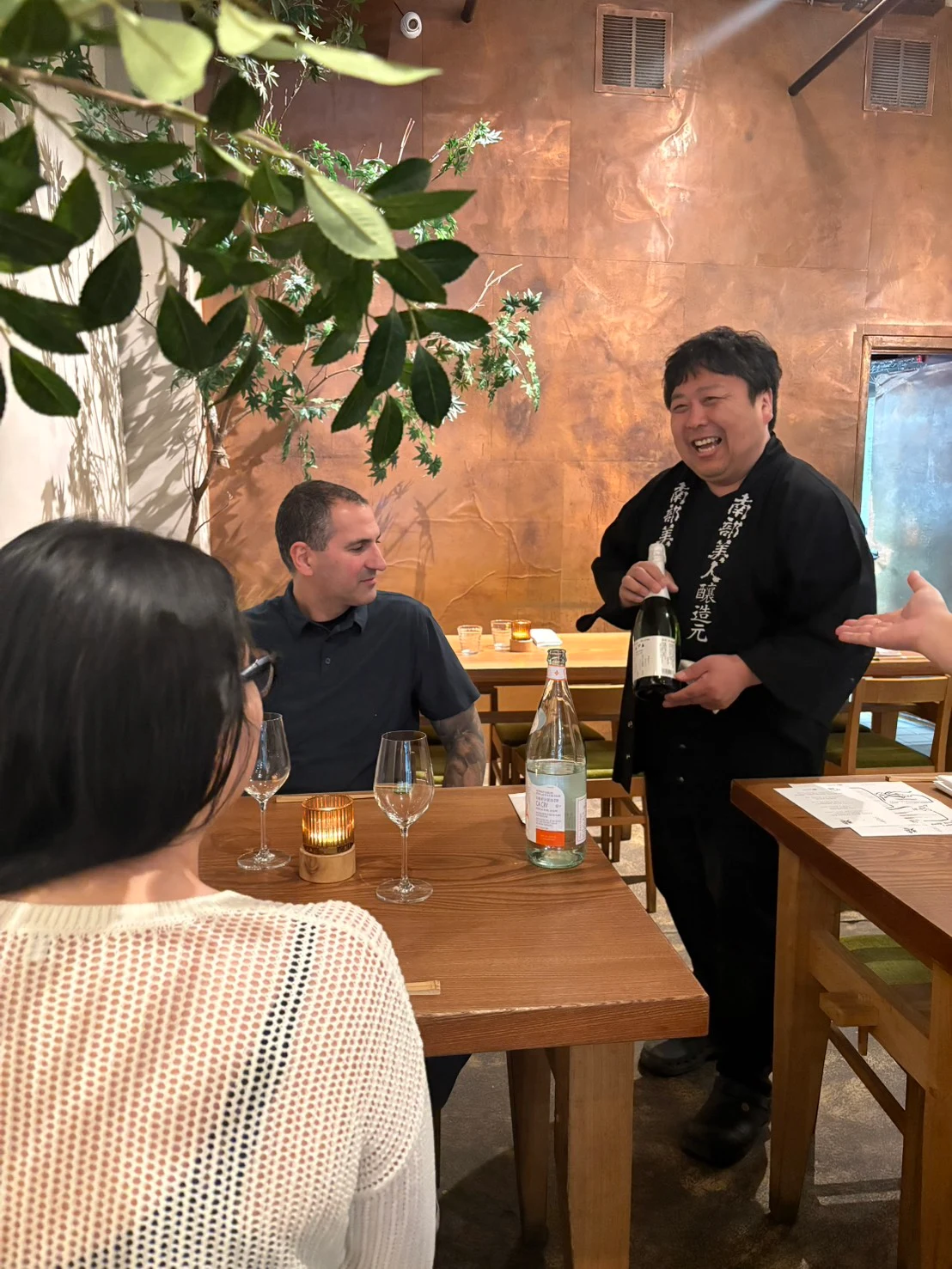
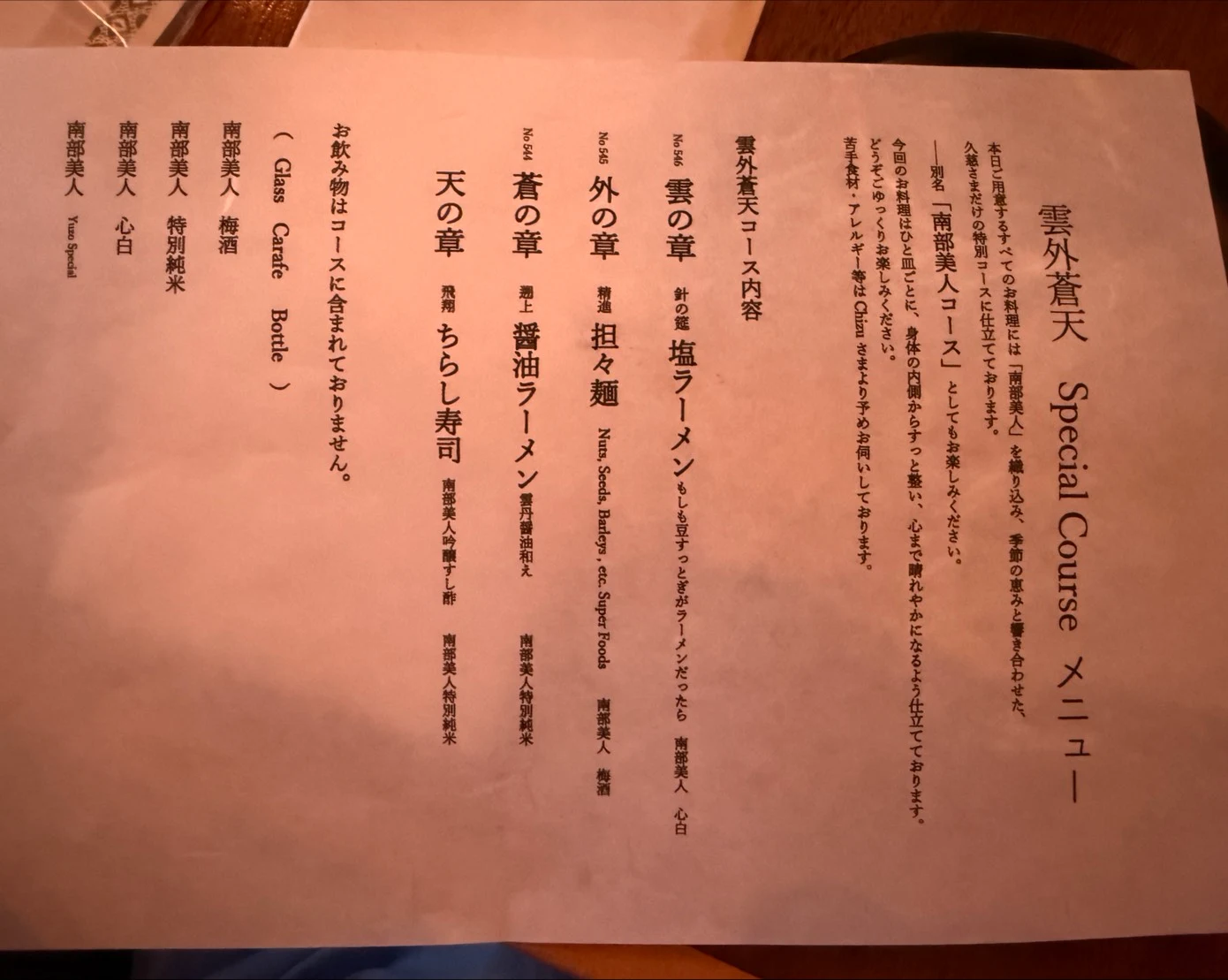
The picture I had not pictured at all was waiting in Brooklyn, at a restaurant called Karajishi-Botan. The owner, Mr. Kanegae, and his personal chef, Mr. Abe, had built a ramen course that used Nanbu Bijin from start to finish — just for my visit. In all the years I've been doing this work, no one has ever done that for me before. I thanked Kanegae-san more times than I can remember.
The last night, we wrapped up at a sake bar in New York called ASOKO. It was already past one in the morning, and the line still went out the door. The sake people in this city, the Mutual Trading team, all of us with glasses raised. The kind of night you don't come down from quickly.
When I sat with it later, I realized the picture from the very first trip is no longer there anywhere I look. The days when I dragged my own bags between restaurants by myself, and the picture I see now — the cast of characters has almost completely turned over. And yet, in New York, the sake I first brought is moving everywhere through the city. Akiyama-san's kitchen. The ODO gallery. A ramen course in Brooklyn. The line outside ASOKO at one in the morning. The picture I once thought I was moving has long since left my hand and is moving at its own speed.
A trip back to the origin, in the end, may also be a trip to confirm that the origin is no longer in your hand. Not a sad thought. The opposite, in fact: the feeling I came home with was that I'm grateful to have made it this far, and that I got to greet the sake I first set down here, properly, one more time.
Next stop is somewhere else again.